Facebook
 X
X
 Pinterest
 Copy Link
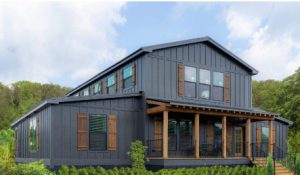
If you have spent any time driving through the scenic acreage corridors of Magnolia, the open pastures of Willis, or the quiet outskirts of Montgomery lately, you have likely noticed a dramatic shift in rural residential architecture. The classic suburban brick-and-mortar aesthetic is sharing the stage with a massive modern movement: the barndominium.
Often affectionately shortened to “barndos,” these steel-frame and post-frame engineered buildings have evolved far beyond their humble origins as simple metal barns with basic living quarters. In today’s real estate market, barndominiums represent a highly sophisticated, ultra-durable, and entirely customizable tier of modern luxury living.
For buyers looking to maximize their land use, secure sweeping open floor plans, and build a resilient homestead, Montgomery County has become the absolute epicenter of the Texas barndominium boom.
If you are considering investing in a metal home, here is a data-driven look at the barndominium landscape, local structural regulations, and the realities of building or buying one.
What Exactly Is a Modern Barndominium?
At its architectural core, a barndominium is a residential home constructed utilizing a commercial-grade steel building shell or post-frame wood structure. Because the exterior perimeter walls bear the entire weight of the roof structure, the interior layout requires zero load-bearing support walls.
This engineering freedom unlocks structural possibilities that traditional stick-built residential homes simply cannot match:
- True Open-Concept Living: You can design a 3,000-square-foot main living area with soaring 20-foot vaulted ceilings entirely uninterrupted by columns or support beams.
- The Integrated “Shop-House”: The most popular configuration among Montgomery County land buyers is the dual-purpose layout. Under one single continuous roofline, you can feature a 2,500-square-foot luxury living space directly attached to a 2,500-square-foot climate-controlled workshop, boat garage, or classic car showroom.
- Extreme Durability: Engineered steel frames offer superior resistance to wind, heavy coastal weather patterns, wood-boring insects, and rot compared to standard wood-frame construction.
Navigating Montgomery County Barndominium Regulations
The freedom of rural living is a massive draw, but building a barndominium in our local market requires a careful understanding of localized real estate boundaries. The most critical factor in your search will be navigating deed restrictions and homeowner associations.
- Master-Planned District vs. Unrestricted Dirt
If you are looking at premier master-planned communities in The Woodlands, Conroe, or southwest Magnolia, traditional deed restrictions almost universally prohibit outbuildings, metal structures, or non-traditional residential framing.
To build a true barndominium, your target search parameters must shift toward unrestricted acreage or specialized, lightly restricted acreage developments (such as specific sectors in Willis, north Conroe, and western Montgomery) where metal buildings are explicitly permitted.
- County Permitting & Environmental Infrastructure
While Montgomery County does not enforce traditional municipal zoning codes in unincorporated rural areas, you are still subject to strict infrastructure permitting:
- Septic & Environmental Engineering: Because most barndominiums sit on acreage, you will need to secure a Montgomery County permit for an on-site sewage facility (typically an aerobic septic system).
- Floodplain Verification: Before clearing dirt, your property must clear a formal engineering audit to ensure your structural footprint sits safely outside of localized county floodplains and watershed boundaries.
The Economics of a Barndo: Costs vs. Appraisals
One of the most persistent myths surrounding barndominiums is that they cost a fraction of the price of a traditional home. While it is true that the raw structural steel shell can be erected quickly and cost-effectively, the interior finishes—such as luxury kitchens, spray-foam insulation, custom millwork, HVAC systems, and high-end plumbing—cost exactly the same per square foot as a traditional build.
The Appraisal Reality
If you are financing your barndominium build through a conventional mortgage lender, you need to account for the “appraisal gap.” Traditional underwriters require local “comparable sales” (comps) of similar construction type within a specific geographic radius to justify your loan amount.
Because barndominiums are still a growing asset class, finding three identical sold barndominiums within a 5-mile radius can sometimes be a challenge.
The Insider Strategy: Work with specialized regional agricultural lenders or local Texas credit unions who deeply understand rural land development and specialize in construction-to-permanent loans specifically tailored for metal-frame homes.
Is a Barndominium Right for You?
Choosing a barndominium comes down to prioritizing how you use your property. If your lifestyle revolves around horses, automotive restoration, running a home-based trade business, or simply enjoying the visual aesthetic of modern industrial-farmhouse design on a multi-acre plot of land, a barndo offers an unparalleled framework.
However, because navigating local utility hookups, driveway easements, metal-building deed restrictions, and construction financing requires a specialized eye, you should never purchase raw dirt or a metal shell without an experienced local advocate by your side.
Ready to Explore the Acreage Market? Finding the perfect parcel of land that allows for custom barndominium construction requires an intentional, specialized search. If you want to view available unrestricted acreage tracts in Willis, Montgomery, or Magnolia, or want a curated look at existing shop-houses currently on the market, reach out today. Let’s find your space to breathe.